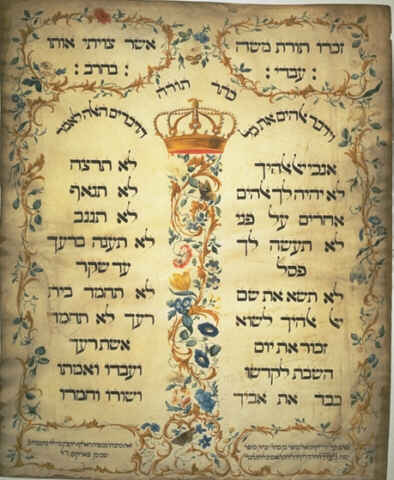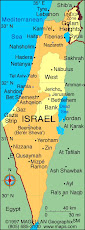

Shavuot, the Feast of the Weeks, is the Jewish holiday celebrating the harvest season in Israel. Shavuot, which means "weeks", refers to the timing of the festival which is held exactly 7 weeks (50 days) after Passover. Shavuot is known also as Yom Habikkurim, or "the Day of the First Fruits", because it is the time the farmers of Israel would bring their first harvest to Jerusalem as a token of thanksgiving.Shavuot also commemorates the anniversary of the giving of the Ten Commandments to Moses and the Israelites at Mount Sinai. The book of Ruth is read on Shavuot.
Shavuot commemorates the anniversary of the day God gave the Ten Commandments to Moses and the Israelites at Mount Sinai. It is one of the three biblical pilgrimage festivals known as the shalosh regalim in Jewish tradition.
The date of Shavuot is directly linked to that of Passover. On Passover, the Jewish people were freed from their enslavement to Pharaoh; on Shavuot they were given the Law and became a nation committed to serving God. Shavuot is celebrated in Israel for one day and in the Diaspora (outside of Israel) for two days. Reform Jews celebrate only one day, even in the Diaspora. Karaite Jews and Christians believe that Shavuot always falls on a Sunday, while mainstream Jews follow the teaching of the Talmud, which holds that the holiday commences immediately after the "counting of the omer," or 50 days after Passover.
Celebrating the Day of the First Fruits
Shavuot commemorates the anniversary of the day God gave the Ten Commandments to Moses and the Israelites at Mount Sinai. It is one of the three biblical pilgrimage festivals known as the shalosh regalim in Jewish tradition.
The date of Shavuot is directly linked to that of Passover. On Passover, the Jewish people were freed from their enslavement to Pharaoh; on Shavuot they were given the Law and became a nation committed to serving God. Shavuot is celebrated in Israel for one day and in the Diaspora (outside of Israel) for two days. Reform Jews celebrate only one day, even in the Diaspora. Karaite Jews and Christians believe that Shavuot always falls on a Sunday, while mainstream Jews follow the teaching of the Talmud, which holds that the holiday commences immediately after the "counting of the omer," or 50 days after Passover.
Celebrating the Day of the First Fruits

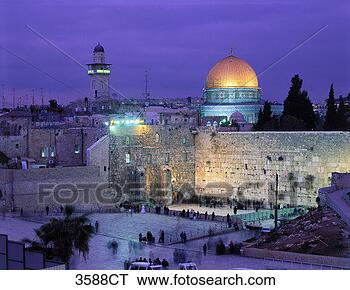
At Shavuot the farmers would gather the Bikkurim into baskets and bring them to the city of Jerusalem where they would be eaten in the holy city. The farmers living close to Jerusalem would bring fresh fruits, while those who had to travel a long distance carried dried raisins and figs. This joyful occasion was celebrated with the music of fifes, timbres, and drums. As the pilgrims approached the city walls they were greeted by the inhabitants of the city. Sometimes the King himself would join the procession to the Temple Mount.The Bikkurim ritual is no longer practiced in present day Israel.
Chanting the Ten Commandments and reading Megilat Rut, known as the Book of Ruth in English. This biblical book tells the story of two women: a Jewish woman named Naomi and her non-Jewish daughter-in-law Ruth. Their relationship was so strong that when Ruth’s husband died she decided to join the Jewish people by converting to Judaism. The Book of Ruth is read during Shavuot because it takes place during the harvest season and because Ruth’s conversion is thought to reflect our acceptance of the Torah on Shavuot. Also, Jewish tradition teaches that King David (Ruth’s great-great-grandson) was born and died on Shavuot.
- Decorating our synagogues and homes with roses or aromatic spices. This custom is based on midrashim that connect the events at Sinai to spices and roses.
The Foods of Shavuot
Jewish holidays often have some food-related component and Shavuot is no different. According to tradition we should eat dairy foods such as cheese, cheesecake and milk on Shavuot. No one knows where this custom comes from but some think it is related to Shir HaShirim (The Song of Songs). One line of this poem reads "Honey and milk are under your tongue." Many believe that this line is comparing the Torah to the sweetness of milk and honey. In some European cities children are introduced to Torah study on Shavuot and are given honey cakes with passages from the Torah written on them.